
Program Only
12 months of self-guided digital lessons, audio, visualisations and guides. Includes Ask Chuck, 24/7 AI recovery support; no human support.
Anxiety can return when medication is reduced because of withdrawal symptoms, a recurrence of the original condition, the loss of a treatment benefit, or a mixture of these. The timing and pattern can provide clues, but they cannot diagnose the cause on their own. Medication reduction should be planned and monitored with the prescriber, not managed from an online article.
It is common to feel frightened when symptoms appear after a dose change. That fear can lead to rapid changes in the opposite direction, missed doses, or repeated checking of every sensation. Contact the prescribing clinician and give them a clear timeline: the previous dose, each change, when symptoms began, and how they feel compared with the original anxiety.
Withdrawal symptoms can include anxiety, irritability, sleep disturbance, dizziness, nausea, sensory changes, and flu-like feelings, depending on the medicine and the individual. A recurrence of anxiety may look more like the previous disorder’s pattern: familiar panic, avoidance, intrusive worry, compulsions, or fear of specific situations. There can be overlap, and symptoms can be influenced by expectation and stress.
The distinction matters because the safest response differs. A prescriber may advise holding, slowing, or adjusting the plan, or may investigate another cause. Never assume that returning symptoms prove you must remain on medication forever, and never assume they are “just withdrawal” without assessment.
Antidepressants differ in half-life, formulation, withdrawal risk, and the way people respond to reductions. A plan that is comfortable for one person may be too fast for another. The Royal College of Psychiatrists recommends discussing stopping with a healthcare professional and recognising that some people need a slower, more gradual reduction.
Keep a simple record rather than checking continuously: medication and dose, dates of changes, sleep, caffeine and alcohol, physical symptoms, anxiety symptoms, and changes in functioning. Note whether the symptoms come in waves, whether they improve after a dose, and whether they resemble your earlier disorder. This information helps the prescriber make a safer decision.
Urgent help is needed for suicidal thoughts, severe agitation, confusion, mania-like symptoms, a serious allergic reaction, or any immediate safety concern. If the symptoms are physically severe or unfamiliar, seek medical assessment rather than attributing them to anxiety.
The Linden Method is non-medical and focuses on the alarm response and the behaviours that reinforce fear. Some people consider it while taking medication or while discussing a medically supervised reduction. It does not provide a taper schedule and should never be used to justify stopping or reducing medication without the prescriber’s agreement.
A responsible recovery plan can include both psychological understanding and medication safety. The question is not whether one approach must defeat the other; it is whether every change is informed, gradual when appropriate, and supported by someone qualified to assess your individual risks.
Do not change medication alone
"Anxiety after a reduction needs a prescriber-led review. Do not restart, stop, increase, or reduce medication based on this page."
Charles Linden
Founder, The Linden Method
Published 2026-08-31 · Updated 2026-08-31
Timing, symptom pattern, and physical effects can offer clues, but only a prescriber can assess your situation safely. There can be overlap.
Ask the prescribing clinician. Do not make a dose change based on an online article.
Some people use non-medical psychological programmes alongside prescribed care, but discuss the plan with your healthcare team.
A clear next step
The Linden Method uses Threat Recalibration Therapy (TRT™), a structured process designed to recalibrate the automatic threat response that keeps anxiety active. Its focus is the response behind persistent fear, rather than managing each symptom separately. Explore the explanation, evaluation and real recovery experiences, or go straight to the program options.
See the reported outcomes: the evaluation cohort’s average anxiety score moved from 18.28 (severe) to 2.84 (minimal). Read the evaluation for the study details, alongside clients’ own accounts of recovery.
View recovery program optionsThe Linden Method · Fear deactivation
Anxiety can feel like an alarm that has forgotten the danger is over. The Linden Method explains what keeps that alarm switched on — and the process for deactivating it.

From Our Recovery Team
Every coach at The Linden Method has personally been through severe anxiety — and fully recovered using the same approach they now teach.
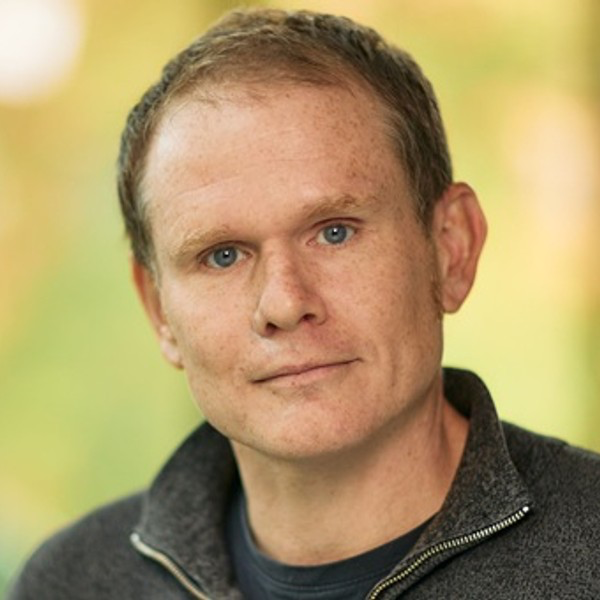
A personal note from Ben Tams
Anxiety Recovery Practitioner — LAR Certified
Suffering on and off with anxiety from a very young age, I was off school from 15 onwards with chronic fatigue. The anxiety persisted into my 20s and 30s — alongside OCD that quietly shaped much of my daily life — until I found this methodology and completely recovered.
Since 2018, I have coached over 300 individuals, passing on everything I have learned to support their recovery.
I have helped psychology students, healthcare workers, TV actors, finance managers, and even an Olympic champion to recover from anxiety and OCD. Every single one of them was told at some point — implicitly or explicitly — that full recovery wasn't possible. Every single one of them proved that wrong.
"To learn recovery is to take the sting out of anxiety, to train the subconscious mind to reduce the fear sensation, and to live as yourself — in the moment, for good."
Ben Tams
Anxiety Recovery Practitioner — LAR Certified
A personal note from Kate
Anxiety Recovery Practitioner — LAR Certified
My anxiety was the quiet, relentless kind — generalised, always present, always waiting. Not dramatic panic attacks, but a constant low hum of dread that made everyday decisions exhausting and ordinary situations feel threatening.
I was high-functioning. I had a career, relationships, responsibilities. Nobody looking at me from the outside would have guessed how much energy it was taking simply to get through the day. That invisibility made it lonelier, somehow.
I went through years of talking therapy and mindfulness practice. Both helped me cope. Neither helped me stop. The anxiety was always there, waiting to return.
Understanding the biology of anxiety — really understanding it, not just being told to 'retrain your thoughts' — was what finally made the difference. The Linden Method explained what was happening in my nervous system and gave me a clear process for changing it.
I recovered. I coach now because I especially want to reach the people who look fine from the outside but are exhausted on the inside — the high-functioning sufferers who've been told they're 'managing well' and deserve so much more than that.
"Anxiety doesn't have to be dramatic to be serious. And it doesn't have to be serious forever."
Kate
Anxiety Recovery Practitioner — LAR Certified









