
Program Only
12 months of self-guided digital lessons, audio, visualisations and guides. Includes Ask Chuck, 24/7 AI recovery support; no human support.
University students represent the highest-risk demographic for new-onset anxiety disorder. The transition from school to higher education — involving simultaneous academic pressure, social reconfiguration, financial stress, distance from family support, and often the first experience of genuine independence — creates conditions in which anxiety disorder develops readily and persists without identification or treatment.
Untreated anxiety disorder in students frequently leads to: academic underperformance despite capability, social withdrawal, difficulty attending lectures or sitting exams, substance misuse, and in severe cases, withdrawal from university entirely. University counselling services are chronically overwhelmed and typically offer short-term talking therapy that manages rather than resolves anxiety. Many students graduate with an anxiety disorder they have learned to function around rather than recover from.
Timing Matters
"Early-onset anxiety disorder that is not effectively treated establishes the pattern for adult anxiety. Students who recover from anxiety disorder during or shortly after university are significantly less likely to carry it into a career and long-term relationships. Effective recovery at this life stage has outsized lifetime benefit."
The Linden Method can be worked through independently alongside university studies, without requiring scheduled appointments, waiting lists, or time away from academic commitments. Many students complete the program during a university term and recover fully. The structured, self-directed nature of the program suits the independent learning context of higher education.
A clear next step
The Linden Method uses Threat Recalibration Therapy (TRT™), a structured process designed to recalibrate the automatic threat response that keeps anxiety active. Its focus is the response behind persistent fear, rather than managing each symptom separately. Explore the explanation, evaluation and real recovery experiences, or go straight to the program options.
See the reported outcomes: the evaluation cohort’s average anxiety score moved from 18.28 (severe) to 2.84 (minimal). Read the evaluation for the study details, alongside clients’ own accounts of recovery.
View recovery program optionsThe Linden Method · Fear deactivation
Anxiety can feel like an alarm that has forgotten the danger is over. The Linden Method explains what keeps that alarm switched on — and the process for deactivating it.

From Our Recovery Team
Every coach at The Linden Method has personally been through severe anxiety — and fully recovered using the same approach they now teach.
A personal note from Austin Thomas
Anxiety Recovery Practitioner — LAR Certified
I spent years convinced that my health anxiety and OCD were simply part of who I was. Every physical symptom felt like proof of a catastrophe. Every intrusive thought felt like evidence that something was deeply wrong with me.
Doctors reassured me. Therapists taught me coping strategies. And for a while, those things helped a little. But the anxiety always came back, because nobody had explained what was actually sustaining it.
What changed everything was not more therapy or more medication — it was understanding. When I understood what my nervous system was doing and why, the anxiety lost its power over me.
I recovered. Fully. And now I bring that understanding to every person I coach — not as theory, but as lived, embodied knowledge. I know the fear from the inside. And I know exactly what it takes to leave it behind.
"When you understand what anxiety actually is, the fear of having it begins to dissolve. That is where recovery begins."
Austin Thomas
Anxiety Recovery Practitioner — LAR Certified
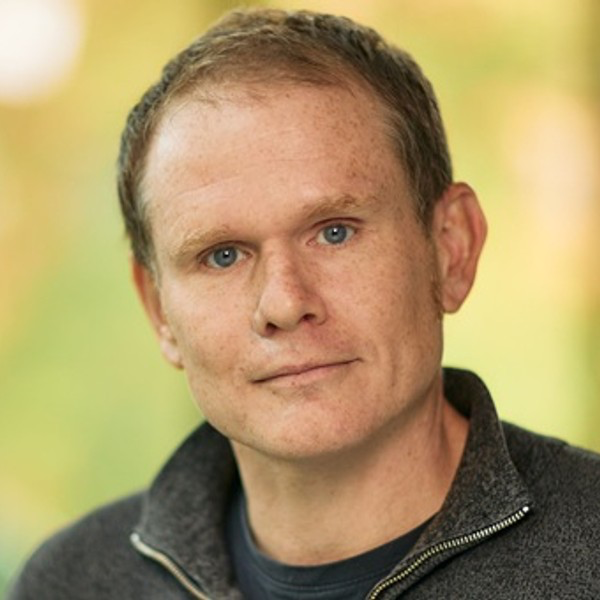
A personal note from Ben Tams
Anxiety Recovery Practitioner — LAR Certified
Suffering on and off with anxiety from a very young age, I was off school from 15 onwards with chronic fatigue. The anxiety persisted into my 20s and 30s — alongside OCD that quietly shaped much of my daily life — until I found this methodology and completely recovered.
Since 2018, I have coached over 300 individuals, passing on everything I have learned to support their recovery.
I have helped psychology students, healthcare workers, TV actors, finance managers, and even an Olympic champion to recover from anxiety and OCD. Every single one of them was told at some point — implicitly or explicitly — that full recovery wasn't possible. Every single one of them proved that wrong.
"To learn recovery is to take the sting out of anxiety, to train the subconscious mind to reduce the fear sensation, and to live as yourself — in the moment, for good."
Ben Tams
Anxiety Recovery Practitioner — LAR Certified









