
Program Only
12 months of self-guided digital lessons, audio, visualisations and guides. Includes Ask Chuck, 24/7 AI recovery support; no human support.
Anxiety and depression coexist in an estimated 60–70% of people diagnosed with either condition. They are not the same illness — but they share biological mechanisms, reinforce each other, and frequently develop in sequence. Understanding how they relate — and why addressing the anxiety is often the key to resolving both — is essential for anyone experiencing the dual burden.
Chronic anxiety disorder is physiologically and psychologically exhausting. The constant activation of the stress response depletes neurotransmitters (particularly serotonin and dopamine), disrupts sleep, erodes the sense of self-efficacy, and progressively restricts life through avoidance. The result is depression — not as a separate illness, but as a secondary consequence of living with untreated anxiety. This is the most common pathway: anxiety first, depression following.
When depression has developed as a consequence of untreated anxiety disorder — which is the most common scenario — the most efficient path to recovery is addressing the anxiety disorder directly. As anxiety reduces, sleep improves, avoidance decreases, physical energy returns, and the sense of agency that depression has eroded begins to recover. The depression lifts not through separate treatment, but as a consequence of anxiety recovery.
Important
"If you are experiencing significant depression alongside anxiety, please discuss this with your doctor. Severe depression may require its own medical management. The Linden Method supports recovery from anxiety disorder — which in many cases produces substantial improvement in secondary depression — but is not a substitute for medical assessment of severe depressive symptoms."
Many people who complete The Linden Method report that the depressive symptoms that developed alongside their anxiety disorder resolved as a natural consequence of anxiety recovery. This is not unexpected — it reflects the fact that for these individuals, the depression was a symptom of their anxiety disorder rather than a separate primary condition. Recovery from one facilitates recovery from the other.
A clear next step
The Linden Method uses Threat Recalibration Therapy (TRT™), a structured process designed to recalibrate the automatic threat response that keeps anxiety active. Its focus is the response behind persistent fear, rather than managing each symptom separately. Explore the explanation, evaluation and real recovery experiences, or go straight to the program options.
See the reported outcomes: the evaluation cohort’s average anxiety score moved from 18.28 (severe) to 2.84 (minimal). Read the evaluation for the study details, alongside clients’ own accounts of recovery.
View recovery program optionsThe Linden Method · Fear deactivation
Anxiety can feel like an alarm that has forgotten the danger is over. The Linden Method explains what keeps that alarm switched on — and the process for deactivating it.

From Our Recovery Team
Every coach at The Linden Method has personally been through severe anxiety — and fully recovered using the same approach they now teach.
A personal note from Austin Thomas
Anxiety Recovery Practitioner — LAR Certified
I spent years convinced that my health anxiety and OCD were simply part of who I was. Every physical symptom felt like proof of a catastrophe. Every intrusive thought felt like evidence that something was deeply wrong with me.
Doctors reassured me. Therapists taught me coping strategies. And for a while, those things helped a little. But the anxiety always came back, because nobody had explained what was actually sustaining it.
What changed everything was not more therapy or more medication — it was understanding. When I understood what my nervous system was doing and why, the anxiety lost its power over me.
I recovered. Fully. And now I bring that understanding to every person I coach — not as theory, but as lived, embodied knowledge. I know the fear from the inside. And I know exactly what it takes to leave it behind.
"When you understand what anxiety actually is, the fear of having it begins to dissolve. That is where recovery begins."
Austin Thomas
Anxiety Recovery Practitioner — LAR Certified
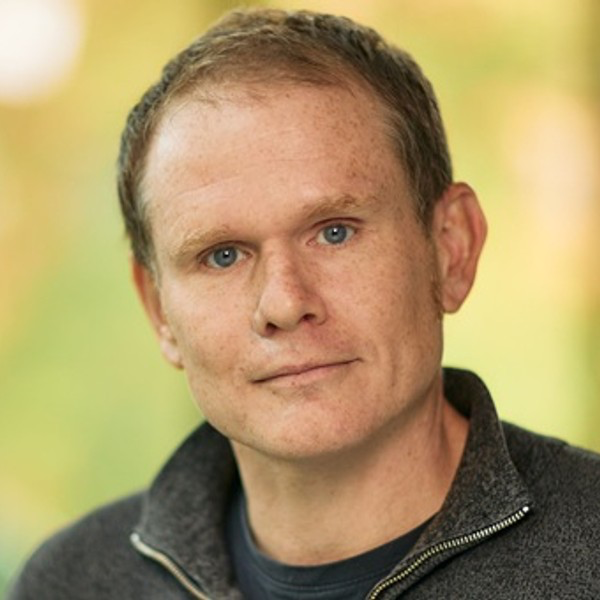
A personal note from Ben Tams
Anxiety Recovery Practitioner — LAR Certified
Suffering on and off with anxiety from a very young age, I was off school from 15 onwards with chronic fatigue. The anxiety persisted into my 20s and 30s — alongside OCD that quietly shaped much of my daily life — until I found this methodology and completely recovered.
Since 2018, I have coached over 300 individuals, passing on everything I have learned to support their recovery.
I have helped psychology students, healthcare workers, TV actors, finance managers, and even an Olympic champion to recover from anxiety and OCD. Every single one of them was told at some point — implicitly or explicitly — that full recovery wasn't possible. Every single one of them proved that wrong.
"To learn recovery is to take the sting out of anxiety, to train the subconscious mind to reduce the fear sensation, and to live as yourself — in the moment, for good."
Ben Tams
Anxiety Recovery Practitioner — LAR Certified









