
Program Only
12 months of self-guided digital lessons, audio, visualisations and guides. Includes Ask Chuck, 24/7 AI recovery support; no human support.
Caffeine is the world's most widely consumed psychoactive substance — and for people with anxiety disorder, it is one of the most reliable anxiety amplifiers. The mechanism is direct and well established: caffeine stimulates adrenaline release, activates the amygdala, and produces physiological effects (increased heart rate, blood pressure, and alertness) that are virtually identical to the early stages of a panic response. In a sensitised nervous system, even moderate caffeine intake can be enough to trigger or significantly worsen anxiety symptoms.
Caffeine works by blocking adenosine receptors — the receptors that produce the sensation of tiredness — and by stimulating the release of adrenaline and cortisol. In the short term, this produces the familiar alertness and energy of a morning coffee. In someone with anxiety disorder, whose adrenaline system is already hyperreactive, the additional adrenaline from caffeine can push a manageable anxiety baseline into a significant anxiety episode or panic attack.
Reducing Caffeine Sensibly
"Reducing caffeine intake should be done gradually to avoid withdrawal symptoms — particularly headaches and fatigue that can worsen anxiety in the short term. Reducing by one drink per day over one to two weeks avoids significant withdrawal while progressively removing a significant anxiety amplifier."
Reducing or eliminating caffeine reduces anxiety symptom intensity and frequency in most anxiety sufferers — making the recovery process smoother and faster. It is not a treatment for anxiety disorder, but it removes a significant biological amplifier that can make recovery more difficult. Most people who have completed The Linden Method report dramatically reduced sensitivity to caffeine after recovery, with some returning to normal coffee consumption without issue.
A clear next step
The Linden Method uses Threat Recalibration Therapy (TRT™), a structured process designed to recalibrate the automatic threat response that keeps anxiety active. Its focus is the response behind persistent fear, rather than managing each symptom separately. Explore the explanation, evaluation and real recovery experiences, or go straight to the program options.
See the reported outcomes: the evaluation cohort’s average anxiety score moved from 18.28 (severe) to 2.84 (minimal). Read the evaluation for the study details, alongside clients’ own accounts of recovery.
View recovery program optionsThe Linden Method · Fear deactivation
Anxiety can feel like an alarm that has forgotten the danger is over. The Linden Method explains what keeps that alarm switched on — and the process for deactivating it.

From Our Recovery Team
Every coach at The Linden Method has personally been through severe anxiety — and fully recovered using the same approach they now teach.
A personal note from Caz Perkins
Anxiety Recovery Practitioner — LAR Certified
For years, crippling anxiety was my entire world. There were days I couldn't leave the house, couldn't answer the phone, couldn't hold a conversation without fear rushing in. Friends didn't understand. Doctors offered medication. Nothing resolved it.
I tried many routes — counselling, CBT, breathing techniques, self-help books. All of them offered partial relief at best. None of them explained why the anxiety kept returning, no matter what I did or how hard I tried.
Finding The Linden Method was the turning point. It wasn't another technique to layer on top of the anxiety. It was a genuine explanation of why anxiety persists — and a clear, simple path out of it.
I made a full recovery. Not a partial recovery — a full one. And I have been coaching ever since, because I believe completely that what worked for me can work for you.
"Full recovery from anxiety is not a lucky outcome for a few people. It is a predictable result when you address the right thing in the right way."
Caz Perkins
Anxiety Recovery Practitioner — LAR Certified
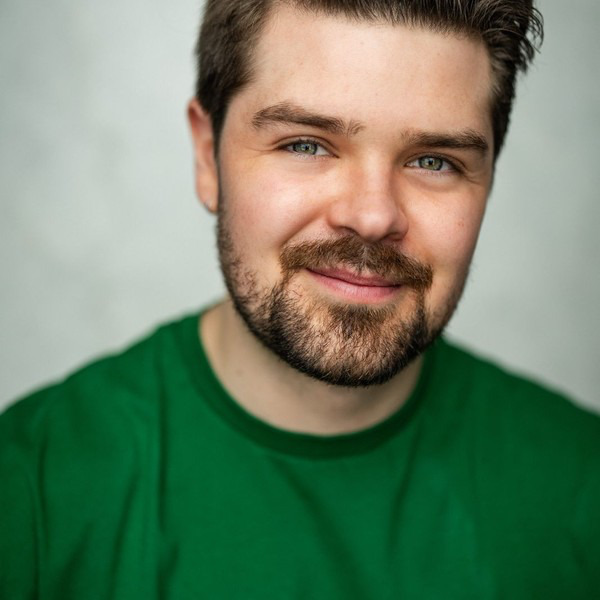
A personal note from Samuel Thomas
Anxiety Recovery Practitioner — LAR Certified
I'm a professional actor who suffered with anxiety for about five years — a relentless mix of Pure-O and intrusive thoughts, ROCD, OCD, agoraphobia, monophobia, depersonalisation, derealisation and chronic insomnia.
Being an actor and working in a creative environment, anxiety is absolutely rife — many actors and creatives suffer in silence, convinced that the fear is simply the price of being in the profession. It isn't.
After trying numerous therapies and prescription drugs, I finally discovered the Linden Method and my life was completely transformed. A CBT therapist had previously told me I would never recover from anxiety and would spend the rest of my life in therapy and on medication.
Within two weeks of following the Linden Method, I was completely anxiety free. The intrusive thoughts, the depersonalisation, the insomnia — all of it lifted. I knew immediately that I wanted to become a coach and help others who were suffering as I once did.
"Recovery is not only possible — it is inevitable with this method."
Samuel Thomas
Anxiety Recovery Practitioner — LAR Certified









